

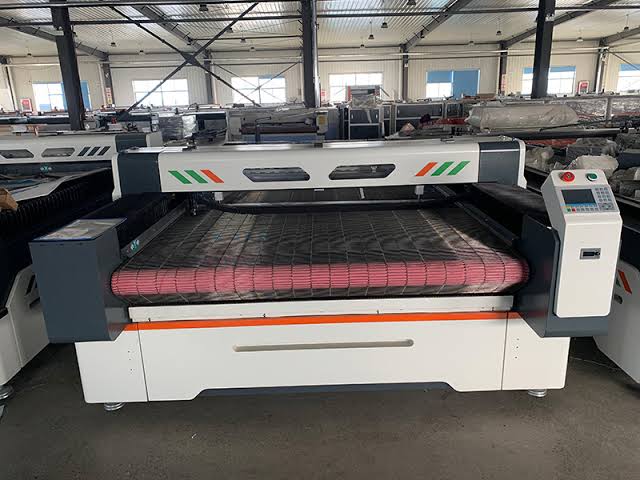
Laser cutting technology has become a critical part of modern manufacturing across countless industries. Its ability to deliver consistent precision, minimize waste, and support automated production makes it a preferred solution for businesses of all sizes.
Automotive Industry
Automotive manufacturers rely on laser cutting machines to produce components with exceptional accuracy and repeatability. Laser systems are used to cut body panels, exhaust components, chassis parts, engine brackets, and numerous interior components.
The technology enables manufacturers to maintain tight tolerances while increasing production speed and reducing material waste. Laser cutting also supports rapid prototyping, allowing automotive engineers to test new designs before moving into full-scale production.
Aerospace Industry
The aerospace sector demands extremely precise manufacturing standards. Components used in aircraft and spacecraft must meet strict quality requirements while maintaining lightweight characteristics.
Laser cutting machines are used to manufacture:
- Aircraft structural components
- Turbine engine parts
- Titanium brackets
- Aluminum panels
- Heat shields
- Composite materials
Their high precision helps ensure every part meets rigorous industry standards.
Electronics Industry
Electronic devices continue to become smaller and more sophisticated. Laser cutting machines are capable of producing miniature components with exceptional accuracy.
Applications include:
- Circuit boards
- Battery components
- Electronic housings
- Precision connectors
- Semiconductor components
Fiber and UV laser technologies are especially popular in electronics manufacturing due to their ability to process delicate materials with minimal heat impact.
Medical Industry
Medical device manufacturers depend on laser cutting technology for producing surgical instruments, implants, and precision medical equipment.
Laser cutting is commonly used for:
- Surgical tools
- Orthopedic implants
- Stents
- Medical tubing
- Diagnostic equipment
- Dental components
The non-contact cutting process helps maintain cleanliness while achieving highly accurate dimensions.
Construction Industry
Laser cutting machines contribute to modern construction by producing structural steel components, decorative metal panels, railings, ventilation systems, and architectural features.
Builders appreciate laser-cut parts because they fit together accurately during assembly, reducing installation time and improving overall project quality.
Signage and Advertising
The signage industry heavily relies on laser cutting machines for creating attractive and durable products.
Common laser-cut products include:
- Acrylic signs
- Illuminated channel letters
- Metal logos
- Directional signage
- Exhibition displays
- Point-of-sale displays
Laser cutting allows businesses to create custom signage with smooth edges and intricate details that stand out.
Furniture Manufacturing
Furniture manufacturers use laser cutting machines to produce decorative panels, wooden furniture components, metal frames, and custom interior décor.
Laser technology enables designers to create intricate patterns that would be difficult or impossible using traditional cutting methods.
Jewelry Industry
Jewelry manufacturers use laser cutting to create detailed and delicate designs in precious metals.
Laser technology allows for the production of:
- Wedding rings
- Necklaces
- Bracelets
- Earrings
- Custom engravings
- Luxury accessories
The high precision of laser cutting ensures minimal material loss, which is especially important when working with gold, silver, and platinum.
Benefits of Laser Cutting Machines
Laser cutting machines offer numerous advantages that make them an excellent investment for manufacturers, fabricators, and creative businesses.
Exceptional Precision
Modern laser cutting systems can achieve extremely fine tolerances, making them suitable for applications where even minor inaccuracies are unacceptable.
This precision helps reduce rejected parts while ensuring consistent product quality.
Faster Production
Laser cutting machines operate at high speeds while maintaining excellent accuracy.
Automation allows manufacturers to complete large production runs efficiently, helping businesses meet customer deadlines and increase overall productivity.
Minimal Material Waste
Advanced nesting software arranges parts efficiently on raw material sheets, maximizing material utilization.
Less waste translates into lower production costs and improved profitability.
Clean Cutting Edges
Laser-cut parts often require little or no additional finishing.
Smooth edges reduce secondary operations such as grinding, sanding, or polishing, saving both time and labor.
Versatility
One laser cutting machine can process numerous materials depending on the laser source.
This versatility enables businesses to expand their product offerings without investing in multiple cutting technologies.
Low Maintenance
Fiber laser machines, in particular, contain fewer moving parts than many traditional manufacturing systems.
Reduced maintenance requirements help lower operating costs and minimize downtime.
High Repeatability
Computer-controlled automation ensures every part is produced exactly like the previous one.
This consistency is essential for industries requiring strict quality standards.
Improved Workplace Safety
Modern laser cutting machines include numerous safety features such as enclosed work areas, emergency stop systems, protective sensors, and advanced ventilation.
These features help create safer working environments for operators.
How to Choose the Right Laser Cutting Machine
Selecting the right laser cutting machine depends on your production requirements, materials, budget, and future growth plans.
Identify Your Primary Materials
The first step is determining what materials you intend to process.
For example:
Fiber lasers are ideal for:
- Stainless steel
- Carbon steel
- Aluminum
- Brass
- Copper
CO₂ lasers are better suited for:
- Wood
- Acrylic
- Leather
- Fabric
- Paper
- Rubber
Choosing the appropriate laser source ensures optimal performance and efficiency.
Determine Material Thickness
Material thickness influences the required laser power.
Higher-power machines can process thicker materials more quickly, while lower-power systems are ideal for thinner sheets and precision work.
Consider Production Volume
Businesses handling continuous production should prioritize industrial-grade machines capable of operating for extended periods.
Smaller workshops or startups may benefit from compact systems designed for lower production volumes.
Evaluate Machine Size
The working area should accommodate your largest expected materials.
Purchasing a machine with a larger cutting bed may provide greater flexibility as your business expands.
Review Software Compatibility
Modern laser cutting machines typically support common CAD and CAM software formats.
Ensure the machine integrates smoothly with your existing design workflow.
Check Automation Features
Advanced laser systems may include:
- Automatic loading
- Automatic unloading
- Rotary attachments
- Automatic nozzle cleaning
- Intelligent nesting software
- Vision positioning systems
These features can significantly improve production efficiency.
Assess Energy Efficiency
Energy-efficient machines reduce long-term operating costs.
Fiber laser technology generally consumes less electricity than older laser systems while delivering higher cutting speeds.
Evaluate Technical Support
Reliable after-sales support is an important factor when purchasing industrial equipment.
Look for manufacturers that provide:
- Installation assistance
- Operator training
- Spare parts availability
- Technical support
- Software updates
- Warranty coverage
Excellent customer support helps minimize downtime and extends machine life.
Common Mistakes When Buying a Laser Cutting Machine
Many first-time buyers focus only on purchase price without considering long-term performance.
Avoid these common mistakes:
Buying the Cheapest Machine
Lower-cost equipment may lack the reliability, precision, or durability required for commercial production.
Investing in quality equipment often results in lower maintenance costs and longer service life.
Ignoring Future Growth
Businesses frequently outgrow entry-level machines within a few years.
Choosing equipment with room for expansion can reduce future upgrade costs.
Choosing the Wrong Laser Technology
Not every laser is suitable for every material.
Understanding your production requirements before purchasing helps prevent costly mistakes.
Overlooking Maintenance Costs
Some laser systems require more frequent servicing than others.
Consider the total cost of ownership rather than focusing solely on the purchase price.
Ignoring Safety Features
Industrial laser machines should include comprehensive safety systems to protect operators and comply with workplace regulations.
Laser Cutting Machine Maintenance Tips
Proper maintenance ensures reliable operation and extends equipment lifespan.
Best practices include:
- Clean optical components regularly.
- Inspect lenses and mirrors for damage.
- Replace worn nozzles when necessary.
- Maintain proper cooling system performance.
- Lubricate moving components according to manufacturer recommendations.
- Keep guide rails free from dust and debris.
- Monitor assist gas quality.
- Update machine software when available.
- Calibrate the machine periodically.
- Train operators on proper machine handling.
Preventive maintenance reduces unexpected downtime and helps maintain cutting accuracy over the life of the machine.