
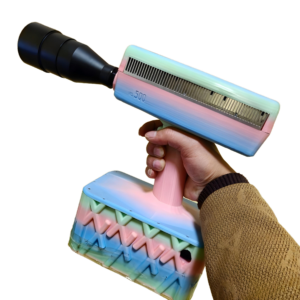
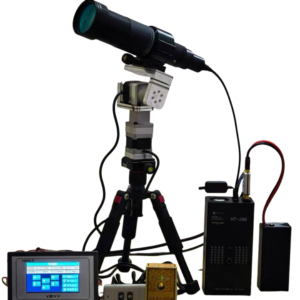
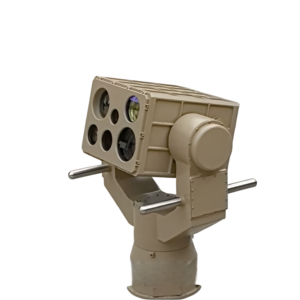
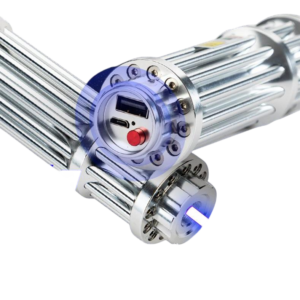
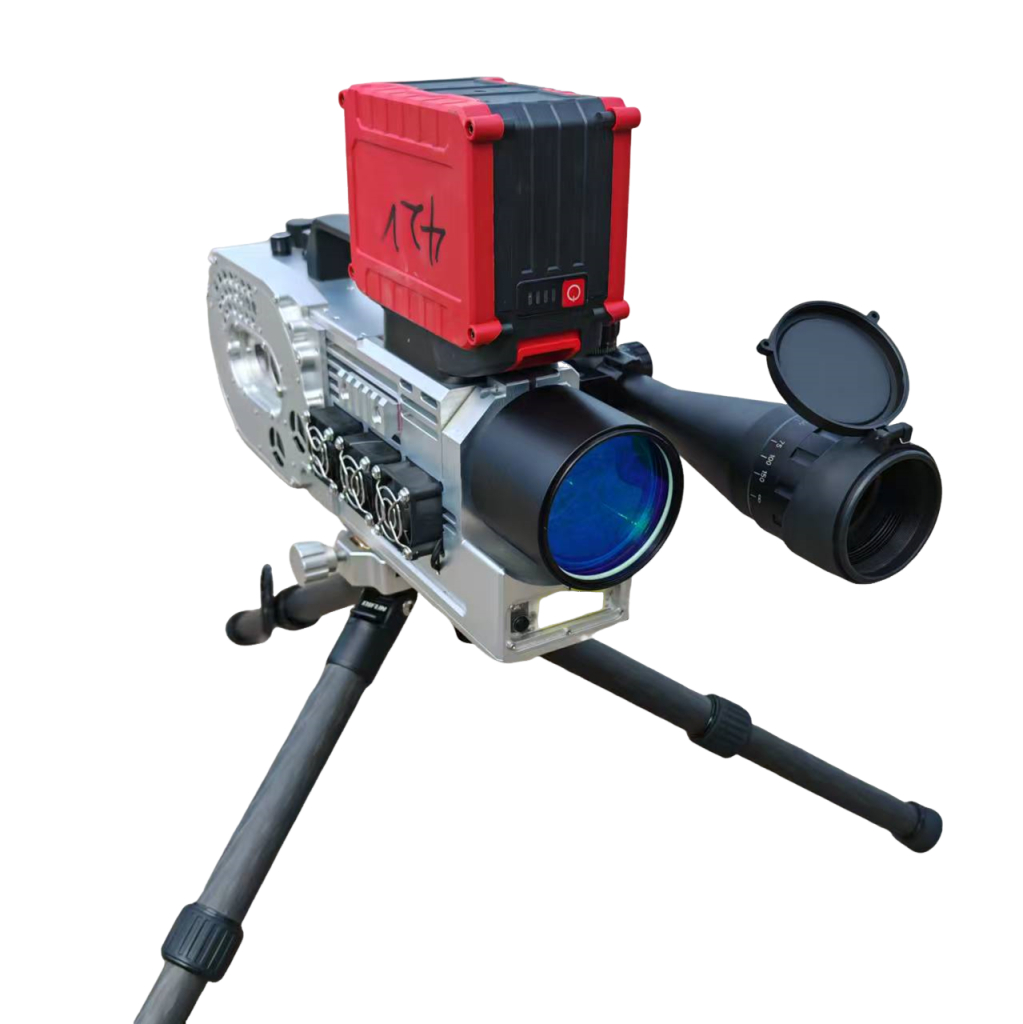
Description
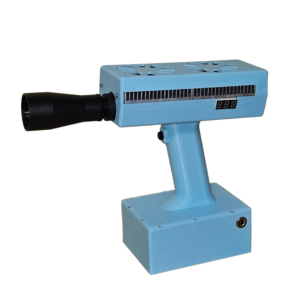
Laser Machine How it works (conceptually)
A high-power laser diode emits a concentrated beam
Optics focus that beam down to a very small spot
At the focal point, energy density skyrockets
The material heats rapidly → pyrolysis → ignition
No open flame, no spark gap
Think of it like using sunlight through a magnifying glass, but… way angrier and more precise.
Why a laser machine is interesting
Flameless ignition (useful in wind or sealed environments)
Very precise — ignites only where you aim
Can work where traditional flames struggle
No consumable fuel (unlike butane lighters)
Real-world reality check
This is where expectations vs. physics kick in:
Portable laser igniters need very high power
They work best on dark, absorbent materials
Shiny or reflective surfaces are much harder to ignite
Battery life can be short at ignition-level power
Many “laser lighters” sold online are actually plasma arc lighters, not lasers
Safety & legality (important)
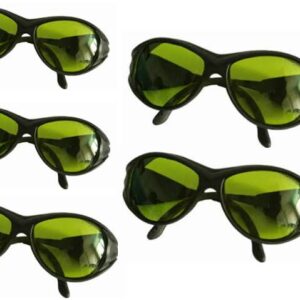
High-power lasers can instantly damage eyes or skin
Reflections are dangerous, not just the direct beam
Some regions regulate handheld lasers above certain power levels
They’re not toys — more like lab equipment in your pocket
How they compare to arc lighters
Laser Igniter
Arc (Plasma) Lighter
Uses focused light
Uses electric arc
Can ignite at a distance
Needs close contact
Very precise
More forgiving
More dangerous to eyes
Less eye risk
Rarer / experimental
Common & cheap
If you want, I can:
Explain why lasers can ignite some things but not others
Compare commercial products vs. research prototypes
Talk about legitimate applications (industry, aerospace, labs)
Or help your sanity-check whether something marketed as a “laser igniter” actually is one
What a laser machine is
A laser machine is a device that generates a focused, coherent beam of light and uses it to cut, engrave, weld, mark, heat, scan, or measure materials. The magic is energy concentration: tons of power in a tiny spot.
Core parts (almost all laser machines share these)
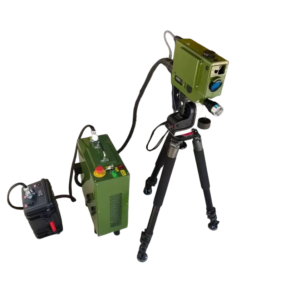
Laser source – creates the beam (CO₂, fiber, diode, Nd:YAG, etc.)
Power supply – feeds serious energy to the laser
Optics – lenses/mirrors to shape and focus the beam
Control system – software + electronics (CNC, galvo, manual)
Cooling system – air or water (lasers hate overheating)
Mechanical system – gantry, galvos, or fixed mount
Common types (by laser source)
Best for: wood, acrylic, leather, fabric
Common in engraving & cutting shops
Fiber laser machines
Best for: metals (steel, aluminum, brass)
Used in industry, marking, cutting
Diode laser machines
Smaller, cheaper, portable
Light engraving, hobby use
Solid-state (Nd: YAG, disk)
Precision welding, medical, industrial
What laser machines are used for
Cutting (metal sheets, acrylic signs)
Engraving & marking (logos, serial numbers)
Welding (very precise, minimal heat spread)
Scientific & medical applications
Measurement & scanning (LiDAR, metrology)
Ignition & heating (ties back to laser igniters)
Key advantages
Extremely precise
Non-contact process (no tool wear)
High repeatability
Can automate easily
Mike –
I’m glad I decided to buy this.