
Laser cutting technology has transformed modern manufacturing by enabling businesses to produce components with exceptional precision, speed, and consistency. From automotive factories and aerospace manufacturers to custom signage businesses and jewelry makers, laser cutting machines have become indispensable tools for creating high-quality products while minimizing material waste.
As industries continue to demand tighter tolerances and faster production times, laser cutting machines provide an efficient solution capable of processing a wide range of materials including metals, plastics, wood, acrylic, leather, textiles, ceramics, and composites. Their ability to perform intricate cuts without direct contact with the material makes them one of the most reliable manufacturing technologies available today.
Whether you are starting a fabrication business, upgrading an existing workshop, or expanding industrial production, understanding the different types of laser cutting machines is essential for making the right investment.
This comprehensive guide explains how laser cutting machines work, the technologies available, their applications, advantages, and the key factors to consider before purchasing one.
What Is a Laser Cutting Machine?
A laser cutting machine is a computer-controlled manufacturing system that uses a concentrated beam of light to cut, engrave, mark, or etch materials with remarkable precision.
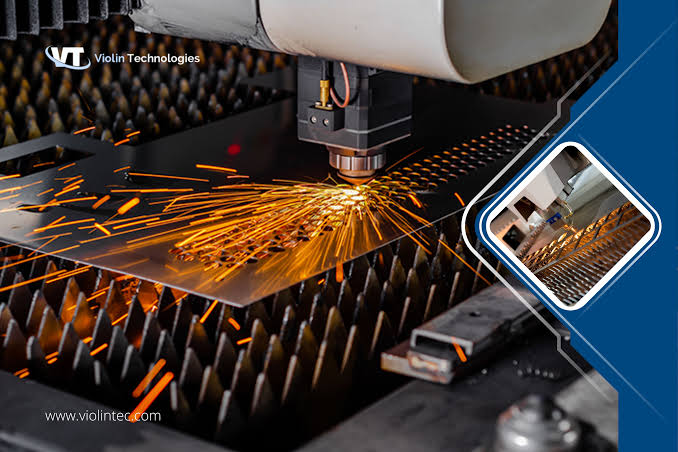
Unlike conventional cutting methods that rely on mechanical blades or saws, laser cutting utilizes high-energy light focused onto a tiny point. The intense energy melts, burns, or vaporizes the material while compressed assist gases remove molten particles, leaving smooth and highly accurate edges.
Modern laser cutting systems integrate:
- CNC automation
- Motion control systems
- Precision optics
- High-performance laser sources
- Cooling systems
- Intelligent software
- Safety enclosures
Together, these components deliver repeatable, high-quality results across thousands of production cycles.
How Laser Cutting Technology Works
Although laser cutting appears simple from the outside, it involves several advanced technologies working together.
Laser Generation
The machine first generates a laser beam using a laser source.
Common laser sources include:
- Fiber lasers
- CO₂ lasers
- UV lasers
- Green lasers
Each source produces light with different wavelengths suited for specific materials.
Beam Delivery
The generated beam travels through optical components or fiber optic cables before reaching a focusing lens.
The focusing lens compresses the beam into an extremely small spot, significantly increasing its energy density.
Material Interaction
When the focused beam contacts the material, temperatures can exceed several thousand degrees Celsius within milliseconds.
Depending on the application, the laser:
- Melts the material
- Vaporizes the material
- Burns the material
- Creates controlled chemical reactions
Assist gases such as oxygen, nitrogen, or compressed air help remove molten material and improve edge quality.
CNC Motion Control
The laser head moves according to digital design files created in CAD software.
Modern CNC systems enable:
- Complex geometric cuts
- Intricate artwork
- High-speed production
- Consistent accuracy
- Automated nesting
This automation minimizes operator involvement while maximizing productivity.
Types of Laser Cutting Machines
Different laser technologies are optimized for different materials and industries.
Fiber Laser Cutting Machines
Fiber laser machines are among the most popular industrial laser systems available today.
They generate laser light using optical fibers doped with rare-earth elements.
Advantages
- Extremely fast cutting speeds
- Low operating costs
- High electrical efficiency
- Minimal maintenance
- Excellent metal processing
- Long service life
- Superior precision
Fiber lasers excel at cutting:
- Stainless steel
- Mild steel
- Carbon steel
- Brass
- Copper
- Titanium
- Aluminum
Many industrial manufacturers choose fiber laser machines because they deliver exceptional productivity with reduced maintenance requirements.
CO₂ Laser Cutting Machines
CO₂ lasers have been widely used for decades and remain one of the best choices for non-metal materials.
These systems generate laser energy using a mixture of gases including carbon dioxide, nitrogen, and helium.
Best Materials
- Acrylic
- Wood
- Leather
- Paper
- Fabric
- MDF
- Rubber
- Foam
- Glass engraving
- Plastic
CO₂ lasers are commonly found in:
- Sign making
- Packaging
- Interior decoration
- Crafts
- Furniture manufacturing
- Promotional products
UV Laser Cutting Machines
UV lasers operate at shorter wavelengths than traditional lasers.
Their lower heat output makes them ideal for delicate materials that require high precision.
Industries using UV lasers include:
- Medical device manufacturing
- Semiconductor production
- Electronics
- Precision engineering
These machines minimize thermal damage while producing extremely fine details.
Green Laser Cutting Machines
Green lasers provide excellent performance when processing reflective materials.
Applications include:
- Copper
- Gold
- Silver
- Electronic components
- Battery manufacturing
Because reflective metals can challenge conventional fiber lasers, green laser technology offers improved absorption and cutting performance.
Materials Suitable for Laser Cutting
One of the greatest strengths of laser cutting machines is their versatility.
Metals
Laser cutting handles numerous metal types, including:
- Stainless steel
- Carbon steel
- Mild steel
- Aluminum
- Copper
- Brass
- Titanium
- Nickel alloys
These materials are used in automotive manufacturing, aerospace engineering, construction, machinery production, and industrial fabrication.
Plastics
Many plastics can also be processed efficiently.
Examples include:
- Acrylic
- ABS
- Polycarbonate
- PETG
- Delrin
- PVC (with appropriate safety considerations)
Laser-cut plastics are widely used for displays, signage, protective covers, and prototypes.
Wood
Laser cutting creates smooth edges on many wood products.
Examples include:
- Plywood
- MDF
- Hardwood
- Bamboo
- Veneer
Applications include furniture, decorative items, architectural models, and custom gifts.
Textiles
Laser technology enables clean cutting of fabrics without fraying.
Industries include:
- Fashion
- Upholstery
- Sportswear
- Automotive interiors
- Technical textiles
Leather
Leather manufacturers use laser cutters to produce:
- Shoes
- Bags
- Belts
- Wallets
- Fashion accessories
Laser cutting reduces waste while enabling intricate decorative patterns.
Paper and Cardboard
Packaging companies rely on laser systems for:
- Custom boxes
- Greeting cards
- Invitations
- Display stands
- Product packaging
- Prototypes
The precision of laser cutting allows for highly detailed designs that traditional cutting methods cannot easily achieve.
Acrylic
Acrylic is one of the most popular materials for laser processing because it produces polished, flame-finished edges directly from the machine.
Common acrylic products include:
- Illuminated signs
- Retail displays
- Awards
- Protective barriers
- Decorative panels
Laser-cut acrylic offers a professional finish with minimal post-processing, making it ideal for commercial and creative applications.