

Description
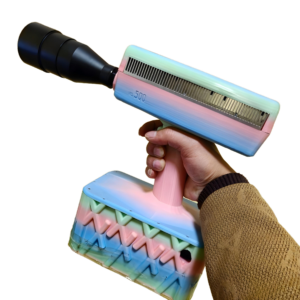
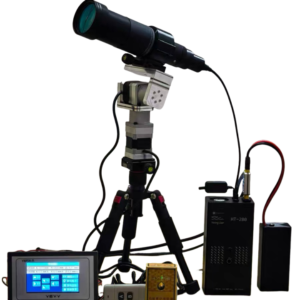
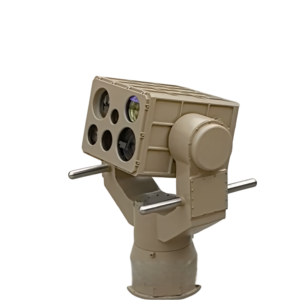
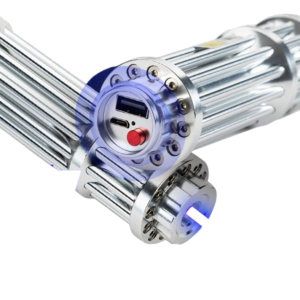
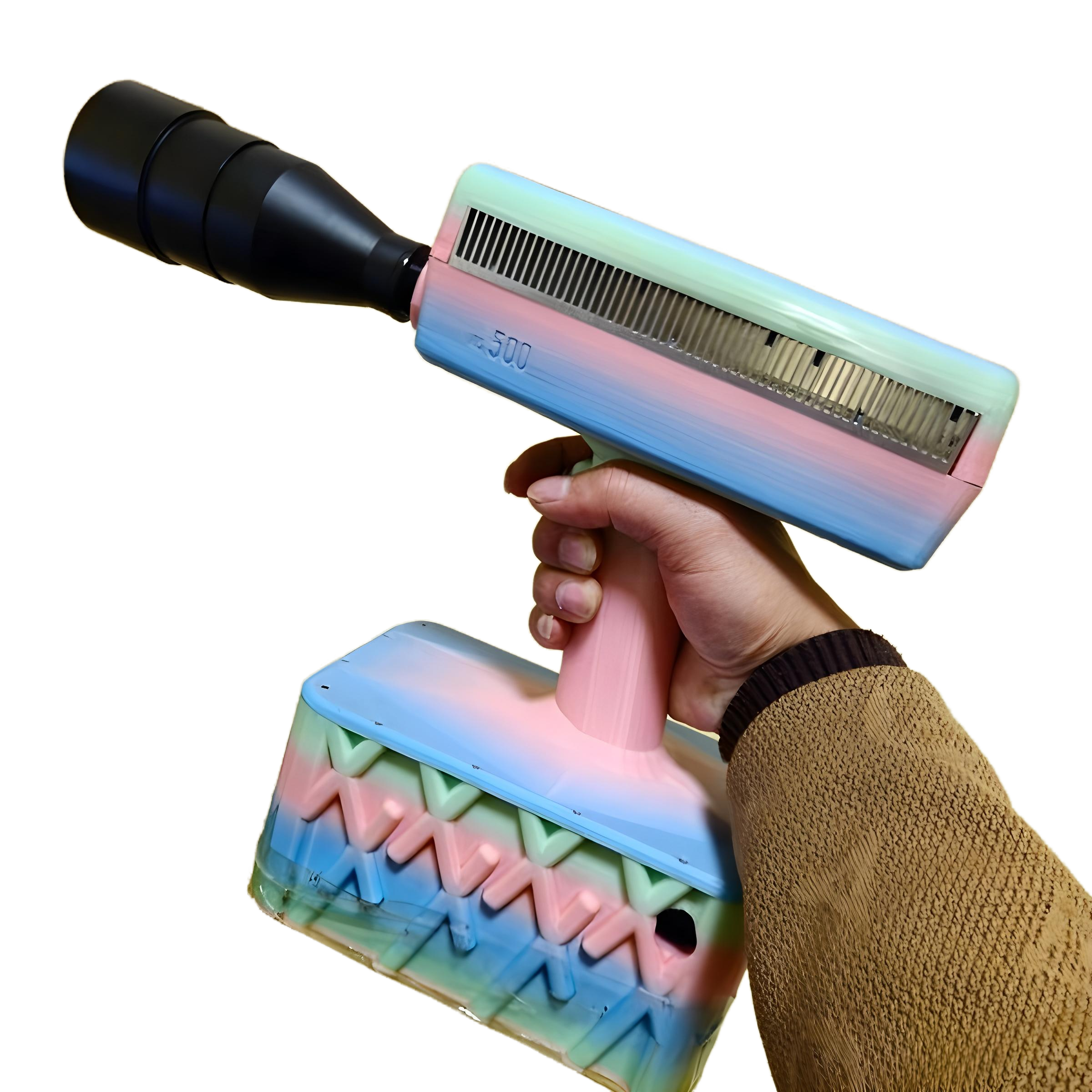
Laser Igniter 500W 013
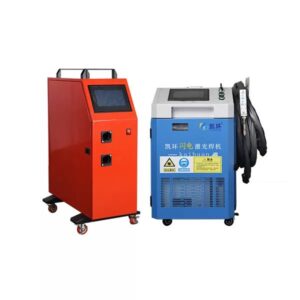
Laser Igniter 500W 013 is a specialized optical ignition device engineered to generate and deliver a concentrated pulse of laser energy capable of igniting fuel-air mixtures. Unlike conventional igniters that rely on electrodes or open flames, it uses a beam of coherent light focused at a specific point inside a combustion chamber to create the conditions required for ignition.
The “500W” in its designation refers to its peak optical power capacity, which allows it to generate enough energy density to ignite a wide range of fuels, including those that are more difficult to light under variable pressures, temperatures, or flow conditions. The “013” model variant represents a specific configuration optimized for stability, beam control, and long-term operation in demanding industrial environments.
Designed for non-contact operation, the Laser Igniter 500W 013 eliminates many of the failure points found in traditional ignition components. This makes it well-suited for continuous-duty applications where uptime, repeatability, and safety are top priorities.
How the Laser Igniter 500W 013 Works
Laser ignition is based on the principle of laser-induced breakdown, which creates a small, high-temperature plasma at the focal point of a focused laser beam. This plasma generates the thermal energy needed to initiate combustion of a fuel-air mixture.
The process works in several stages:
- Energy Generation – The Laser Igniter 500W 013 produces short, high-energy laser pulses. These pulses are delivered at controlled intervals to ensure precise ignition timing.
- Beam Delivery and Focusing – The laser beam is guided through an optical path and focused to an extremely small spot inside the combustion zone. This concentration increases energy density to the level required for plasma formation.
- Plasma Formation – When the focused beam reaches the ignition threshold, it ionizes the surrounding gases, forming a localized plasma. This plasma reaches temperatures high enough to exceed the ignition point of most combustible fuels.
- Combustion Initiation – The plasma kernel acts as an ignition source, rapidly expanding and igniting the surrounding fuel-air mixture. From there, a stable flame front develops and can be sustained by the combustion system.
- Controlled Timing – Because ignition is triggered optically, it can be timed with extreme precision. This level of control helps improve flame stability, especially during startup, low-load operation, or variable fuel conditions.
This contact-free method allows ignition to occur without exposing electrodes to heat, corrosion, or carbon buildup, all of which can reduce reliability over time.
Key Features of the Laser Igniter 500W 013
The Laser Igniter 500W 013 is engineered with several technical features that contribute to its performance and long-term reliability:
- High Peak Power Output – With a peak output of around 500W, the system can generate the energy density needed to ignite both gaseous and harder-to-ignite fuel mixtures, even under challenging pressure and turbulence levels.
- Non-Contact Ignition – Since there are no electrodes inside the combustion chamber, the igniter avoids erosion, pitting, or contamination, leading to more consistent ignition cycles over its service life.
- Precision Beam Focusing – Optimized optics allow for accurate focal point control. This ensures the plasma forms exactly where it’s needed for reliable flame propagation.
- Fast and Repeatable Ignition – The pulsed operation allows for near-instant ignition with high repeatability across multiple start cycles, which is essential for systems that require frequent startups or restarts.
- Durability in Harsh Environments – Industrial combustion zones often involve high temperatures, vibration, dust, and pressure fluctuations. The Laser Igniter 500W 013 is designed to withstand these conditions while maintaining beam stability.
- Resistance to Fouling – Unlike spark-based systems, optical ignition is not affected by soot, ash, or fuel residue buildup around an electrode tip, helping maintain consistent performance over time.
- Optimized System Stability – The 013 configuration focuses on thermal stability and optical alignment retention, reducing the need for frequent readjustments during operation.
These features work together to provide a stable, efficient, and low-interruption ignition source for industrial processes.
Advantages Over Traditional Ignition Systems
The shift toward laser ignition is driven by long-term performance and operational reliability. Compared to conventional methods, the Laser Igniter 500W 013 offers several key advantages:
- Greater Reliability – With no moving parts or consumable electrodes exposed to combustion, the risk of ignition failure decreases significantly, especially during critical startups.
- Improved Safety – A contact-free ignition source reduces the risk of hot-surface ignition issues and minimizes wear-related malfunctions in high-risk environments.
- Lower Downtime – Consistent, repeatable ignition reduces unplanned shutdowns caused by misfires, fouled igniters, or electrode degradation.
- Fuel Flexibility – The high energy density of a focused laser pulse allows the Laser Igniter 500W 013 to ignite a broader range of fuels, including lean mixtures that can be difficult for spark-based systems to light reliably.
- Better Performance in Adverse Conditions – High turbulence, elevated chamber pressures, or low oxygen concentrations can disrupt traditional sparks. Laser-induced plasma is far less affected by local flow variations, improving ignition success rates.
- Supports Cleaner Combustion – Reliable ignition helps prevent delayed ignition or incomplete combustion during startup. This contributes to more stable flame control and supports efforts to reduce unburned fuel and harmful emissions.
- Long-Term Consistency – Optical ignition maintains its ignition threshold over far more cycles than mechanical ignition methods, ensuring predictable performance over extended operating periods.
These advantages make laser ignition a forward-looking upgrade for industries looking to improve combustion stability and operational efficiency.
Industrial Applications of the Laser Igniter 500W 013
The Laser Igniter 500W 013 is designed for use in industrial settings where combustion must be stable, repeatable, and safe. Common application areas include:
- Power Generation – Used in utility and industrial boilers to provide reliable ignition during startup, warm-up, and low-load conditions. Stable ignition helps maintain grid reliability and safe boiler operation.
- Industrial Boilers and Steam Systems – For process steam applications, consistent ignition is essential to avoid thermal stress and maintain steady output across varying loads.
- Incineration and Waste-to-Energy – Waste fuels often vary in composition and moisture content, making them difficult to ignite consistently. The high peak power of the Laser Igniter 500W 013 helps achieve reliable ignition even with non-homogeneous fuel streams.
- Furnaces and Kilns – High-temperature thermal processing requires precise ignition control to maintain temperature uniformity, reduce cycle times, and protect refractory materials from thermal shock.
- Petrochemical and Refining – Furnaces, heaters, and thermal oxidizers in refining processes demand ignition systems that can operate safely under high pressure and in potentially volatile environments.
- Biomass and Alternative Fuels – As industries shift toward lower-carbon fuels, ignition systems must handle fuels with irregular burn characteristics. Laser ignition provides the consistency needed for these variable fuel sources.
- Gas Turbines and Advanced Combustion Systems – Research and industrial combustion systems focused on lean-burn or low-emission operation benefit from the precision and reliability of laser-induced ignition.
Across these sectors, the Laser Igniter 500W 013 supports safer startups, improved flame stability, and more flexible combustion control.
Reliability, Safety, and Maintenance Considerations
Industrial ignition systems must prioritize both safety and long-term maintainability. The Laser Igniter 500W 013 addresses these areas through its optical, non-contact design.
Reliability is one of its strongest attributes. By removing electrodes from direct exposure to extreme heat and corrosive combustion byproducts, the system avoids one of the most common causes of ignition degradation. Its pulsed, controlled energy delivery also minimizes thermal stress on optical components while still producing a strong plasma kernel.
From a safety standpoint, laser ignition eliminates the need for a continuously burning pilot flame in many applications, reducing unnecessary fuel use during standby and limiting potential ignition sources in certain operating modes. Additionally, its precise, on-demand ignition timing helps prevent delayed ignition events, which can be a safety concern in large combustion chambers.
Regarding maintenance, non-contact operation means fewer wear parts exposed to the combustion zone. This helps reduce routine inspection frequency related to erosion or fouling. The optical path is designed for stability, and with proper alignment and a controlled operating environment, the system can maintain consistent beam quality over extended operating cycles. These factors contribute to lower unplanned maintenance and improved overall system availability.
Why the Laser Igniter 500W 013 Stands Out
The growing adoption of laser ignition technology comes from its ability to solve persistent reliability issues while meeting modern efficiency demands. The Laser Igniter 500W 013 stands out due to its balance of high peak power, optical precision, and industrial-grade durability.
Its 500W power level is significant because it bridges the gap between lower-power laboratory laser igniters and full-scale industrial requirements. It delivers enough energy to handle turbulent, high-pressure, or lean-mixture conditions without sacrificing ignition precision. Combined with its stable 013 configuration, this makes it a dependable solution for processes that cannot afford ignition failures.
Another key strength is its adaptability. As combustion systems evolve to accommodate variable loads, fluctuating fuel quality, and stricter emission targets, the need for a flexible and repeatable ignition source becomes more important. The Laser Igniter 500W 013 meets these demands by providing ignition that remains consistent regardless of many of the variables that disrupt traditional systems.
The Future of Laser Ignition Technology
Laser ignition continues to gain traction as industries prioritize efficiency, reliability, and cleaner combustion. As fuel diversification increases and combustion systems move toward lean-burn operation to reduce emissions, optical ignition will play an increasingly important role. Systems like the Laser Igniter 500W 013 represent this shift toward precision-based, low-wear ignition technology built for modern industrial demands.
With its contact-free operation, high repeatability, and resilience in extreme conditions, laser ignition is positioned to become a standard solution for high-performance combustion applications in the years ahead.
Frequently Asked Questions (FAQs)
What is the Laser Igniter 500W 013 used for?
The Laser Igniter 500W 013 is used to initiate combustion in industrial systems such as boilers, furnaces, kilns, incinerators, and thermal processing units where reliable, repeatable ignition is required.
How does a laser igniter differ from a spark igniter?
A laser igniter uses a focused beam of light to create a plasma for ignition, while a spark igniter uses electrodes to create an electrical arc. Laser ignition is non-contact, eliminating electrode wear, fouling, and erosion inside the combustion chamber.
Can the Laser Igniter 500W 013 ignite lean fuel mixtures?
Yes. Due to its high peak power and focused energy density, the Laser Igniter 500W 013 can generate a strong plasma kernel capable of igniting lean or more difficult-to-ignite fuel-air mixtures that may not ignite reliably with traditional spark systems.
Is laser ignition more reliable for industrial applications?
Yes. Its non-contact design, resistance to soot and ash, and immunity to electrode degradation make it highly reliable, especially for systems with frequent startups, high turbulence, or variable fuel compositions.
What makes the 500W power level important?
The 500W peak power allows the laser beam to reach the energy density needed for consistent plasma formation under industrial pressures and flow conditions. This makes it suitable for larger combustion chambers and more demanding fuel types.
Conclusion
The Laser Igniter 500W 013 is a high-performance ignition solution built for the demands of modern industrial combustion. By replacing traditional contact-based ignition with precise, laser-induced plasma, it delivers unmatched repeatability, durability, and reliability in harsh operating environments.
Utana –
Laser igniter that truly delivers.
maurice –
very satisfied with performance.
ewele –
Fantastic innovation — well done
Bentley –
A reliable partner in ignition tasks.