



Description
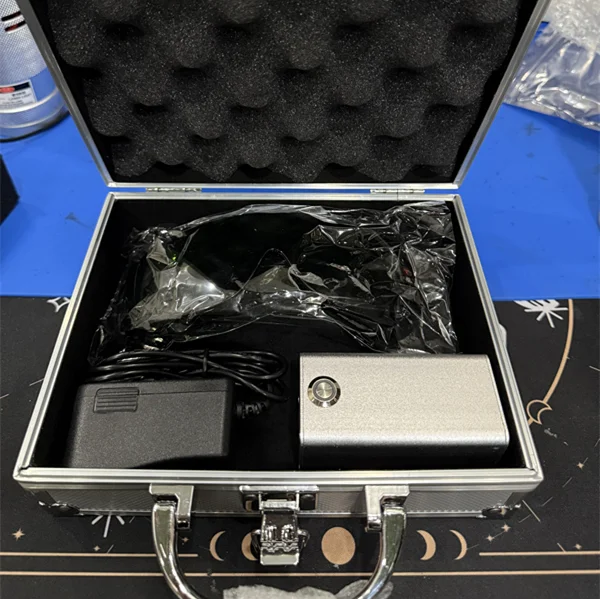
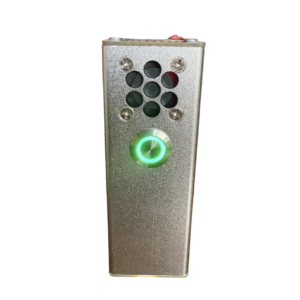
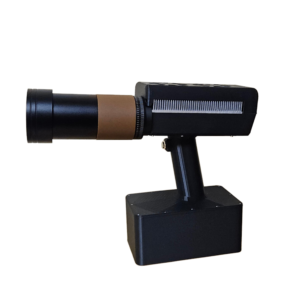
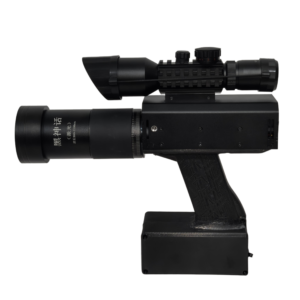
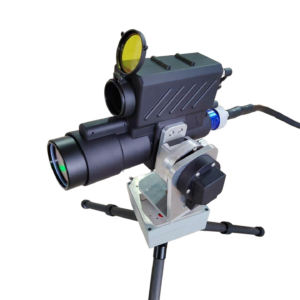
Laser Igniter
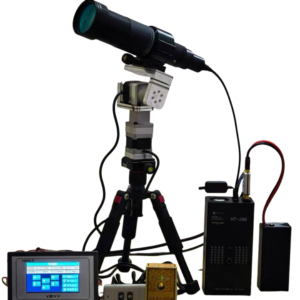
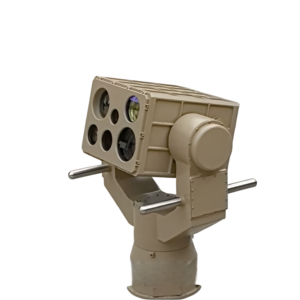
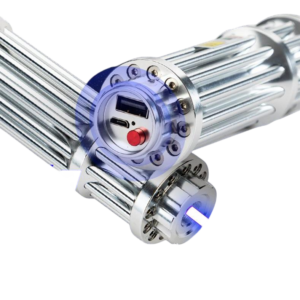
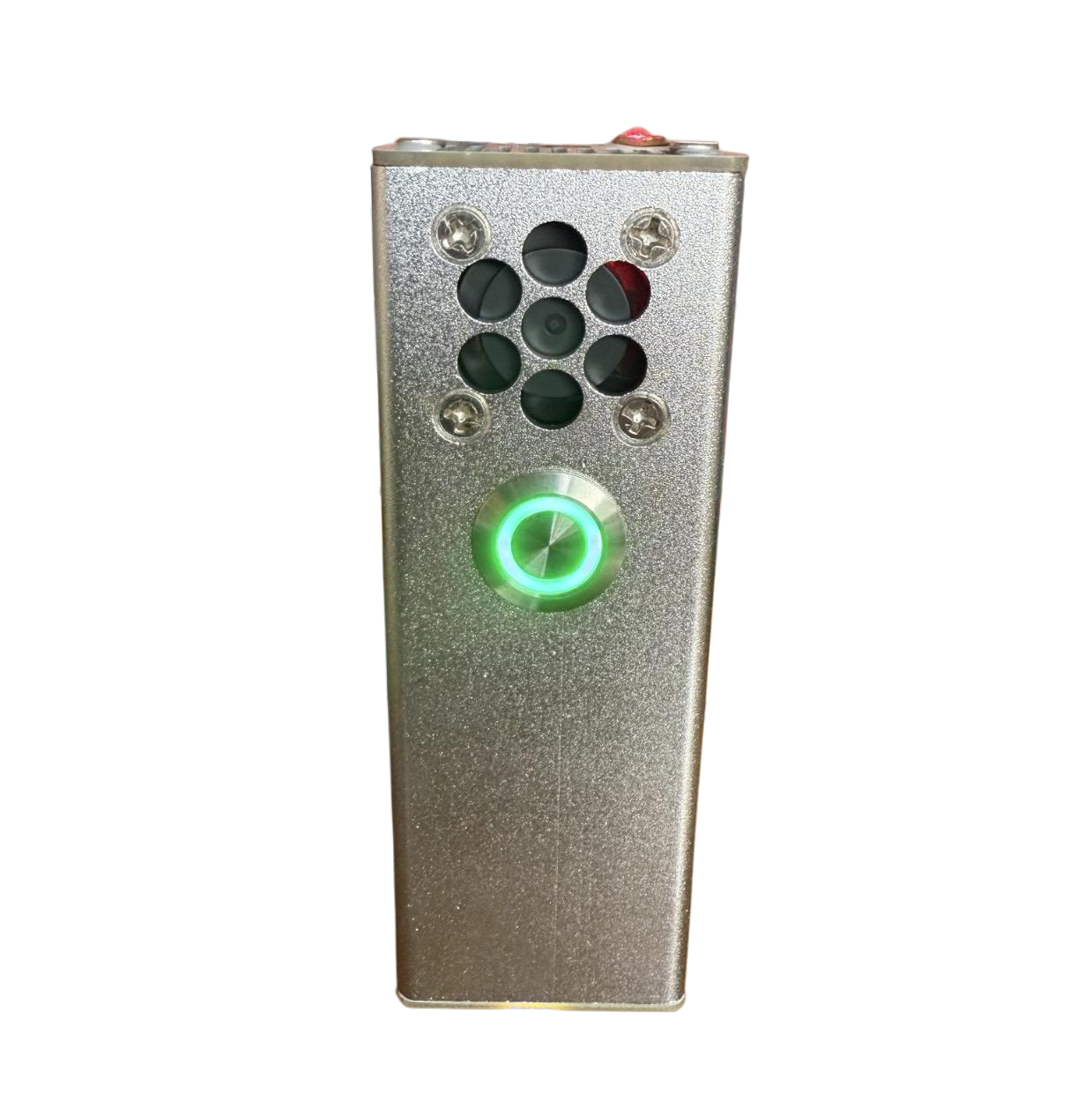
laser igniter, also known as a laser spark plug or laser ignition system, is a device that uses a highly focused, short-pulse laser beam to ignite a combustible fuel-air mixture. Unlike a conventional spark plug that creates an electrical arc between two electrodes, a laser igniter creates optical breakdown in the gas.
In simple terms, the laser igniters delivers intense light energy into the combustion chamber. When the laser pulse is focused to a tiny point, it heats the gas molecules to thousands of degrees in nanoseconds, creating a plasma kernel that then initiates the flame. This process is called laser-induced plasma ignition.
Because there are no electrodes inside the combustion chamber, a laser ignition system can ignite the mixture in the optimal location, not just where the spark plug tip happens to be. This fundamental difference unlocks significant improvements in combustion performance.
How Does a Laser Ignition System Work?
The working principle of a laser igniter is based on non-resonant laser-induced breakdown. The process occurs in four distinct stages:
1. Laser Generation: The process starts with a solid-state laser source, typically an Nd:YAG laser. A pulsed, high-peak-power beam is generated with a pulse duration of just a few nanoseconds.
2. Beam Transmission and Focusing: The laser beam is transmitted through a fiber optic cable or a series of lenses and windows to the combustion chamber. A focusing lens, similar to a magnifying glass, concentrates the entire energy of the pulse into an extremely small focal spot, usually less than 1 millimeter in diameter.
3. Plasma Formation: At the focal point, the irradiance becomes so high – on the order of gigawatts per square centimeter – that it strips electrons from gas molecules. This creates a highly energetic, high-temperature plasma kernel, reaching temperatures over 10,000 Kelvin.
4. Flame Initiation and Propagation: This plasma kernel acts as an intense ignition source. It rapidly transfers heat to the surrounding fuel-air mixture, creating a large and fast-expanding flame front that consumes the fuel more completely than a small electrical spark.
The entire process from laser pulse to ignition happens in microseconds, allowing for extremely precise control over ignition timing.
Core Components of a Laser Igniter System
A complete laser ignition system consists of several key components working together:
Laser Source: The heart of the system. Most systems use a diode-pumped solid-state laser for its compact size, efficiency, and durability.
Optical Delivery System: Includes lenses, mirrors, and a specially designed sapphire window that can withstand extreme pressure and temperature inside the engine while remaining transparent to the laser beam.
Cooling and Control Unit: Manages the laser’s thermal stability and precisely controls the timing, duration, and energy of each laser pulse via the Engine Control Unit, or ECU.
Focusing Optics: Located within the laser spark plug body, this assembly determines the exact position of the plasma kernel inside the combustion chamber.
Laser Igniter vs. Traditional Spark Plug: Key Differences
While both systems aim to do the same job, their approach and performance are very different.
| Feature | Traditional Spark Plug | Laser Igniter |
|---|---|---|
| Ignition Method | High-voltage electrical arc between electrodes | Focused laser beam creating optical plasma |
| Ignition Location | Fixed at the plug tip near the chamber wall | Flexible, can be centered anywhere in the chamber |
| Electrode Erosion | Significant wear over time, requires replacement | No electrodes, virtually no erosion inside chamber |
| Lean Mixture Ignition | Poor performance with lean-burn engines | Excellent ability to ignite lean and ultra-lean mixtures |
| Energy Delivery | Low, ~30-50 mJ per spark | High, 50-200+ mJ with larger initial flame kernel |
The absence of electrodes and the ability to place the ignition point in the center of the chamber are the two most important advantages for engine designers.
Key Advantages and Benefits of Laser Igniter Technology
Laser ignition offers several compelling benefits that address the limitations of conventional ignition systems.
1. Improved Engine Efficiency and Fuel Economy
A laser igniter creates a larger initial flame kernel than a conventional spark. Combined with the ability to ignite from the center of the chamber, this leads to faster and more uniform combustion. More complete combustion means more of the fuel’s energy is converted into work, improving thermal efficiency.
2. Ability to Ignite Lean Fuel Mixtures
Modern engines want to run lean – with more air and less fuel – to reduce fuel consumption and emissions. However, lean mixtures are hard for electrical sparks to ignite reliably. A laser igniter’s high-energy plasma can ignite mixtures that are too lean for traditional spark plugs, enabling advanced lean-burn combustion strategies.
3. Reduced Emissions
More complete and faster combustion directly leads to lower unburned hydrocarbons, carbon monoxide, and particulate emissions. By enabling lean-burn operation, laser ignition also significantly lowers NOx emissions, which is a critical challenge for automotive and industrial engines.
4. Greater Design Flexibility and Durability
Because the laser window is flush with the combustion chamber wall, engine designers have more freedom to optimize chamber geometry and valve placement. Furthermore, without electrodes that erode, corrode, and accumulate carbon deposits, laser spark plugs have a much longer operational lifespan and superior reliability, especially in harsh environments.
5. Precise Control and Multi-Point Ignition
A single laser system can be split with optics to create multiple ignition points simultaneously within the same chamber. Multi-point ignition dramatically shortens burn time, which is crucial for high-speed engines and large-bore gas engines.
Major Applications of Laser Igniter Technology
The versatility of laser ignition is driving its adoption across multiple industries.
Automotive and Internal Combustion Engines
In automotive research, laser igniters are being extensively tested for next-generation gasoline, natural gas, and hydrogen engines. Their ability to handle high compression ratios and lean mixtures makes them ideal for high-efficiency engines.
Gas Turbines for Power Generation
Industrial gas turbines and natural gas engines used in power plants suffer from ignition failures due to extreme pressures. Laser igniters provide reliable cold starting and stable combustion even under high-pressure, high-turbulence conditions.
Aerospace and Rocket Propulsion
In aerospace, reliability is non-negotiable. Laser igniters are being developed for scramjets, rocket engines, and jet engines. They can ignite propellants at high altitudes where pressure is low and conventional igniters fail, and can be placed away from the main combustion heat.
Industrial Burners and Furnaces
Large industrial burners, furnaces, and incinerators require consistent ignition of diverse fuels, including low-grade fuels and waste gases. Laser ignition systems improve safety and reduce misfires in these continuous-duty applications.
Challenges and Limitations of Laser Ignition
Despite its potential, laser ignition technology still faces hurdles to mass commercialization. The primary challenges are thermal management and window fouling. The focusing optics and sapphire window must remain clean and cool despite being exposed directly to combustion temperatures exceeding 2000°C.
Additionally, developing a compact, vibration-resistant, and cost-effective laser source that can operate reliably for thousands of hours in an automotive environment requires advanced engineering. Researchers are actively working on monolithic, ceramic-based solid-state lasers to overcome these issues.
The Future of Laser Ignition Systems
The future of the laser igniter is closely tied to the future of combustion itself. As the world transitions to alternative fuels like hydrogen, ammonia, and synthetic e-fuels, which have very different ignition characteristics than gasoline, laser ignition will become increasingly valuable.
Future laser ignition systems will be fully integrated with smart engine management. We will see adaptive systems that can vary pulse energy, ignition location, and number of ignition points in real-time based on load, speed, and fuel quality. This level of control is impossible with electrical systems and will be key to achieving near-zero emission combustion.
In conclusion, the laser igniter is far more than a replacement for the spark plug. It is an enabling technology for cleaner, more efficient, and more flexible combustion. By replacing the century-old electrical arc with precise photon energy, it provides a path to extract more energy from every drop of fuel while dramatically reducing the environmental impact.
Frequently Asked Questions About Laser Igniters
What is the difference between laser ignition and spark ignition?
Spark ignition uses an electrical arc between two metal electrodes to create heat. Laser ignition uses a focused high-power laser beam to create a high-temperature plasma kernel from the gas itself, without any electrodes in the combustion chamber.
Are laser igniters more efficient than spark plugs?
Yes, in terms of combustion efficiency. Laser igniters create a larger flame front, allow for central ignition, and can ignite leaner fuel-air mixtures, all of which lead to more complete combustion and improved thermal efficiency of the engine.
Can a laser igniter work with hydrogen engines?
Hydrogen engines are one of the most promising applications for laser igniters. Hydrogen has a very low ignition energy but also has issues with pre-ignition and backfire. Laser ignition provides precise timing and location control, which helps mitigate these risks while ensuring reliable ignition.

Fisher –
Outstanding build and flawless start.
Terence –
Very satisfied with performance.
deluna –
Laser igniter that truly delivers.
BILLY –
Fantastic innovation — well done!
MOSSES –
A reliable partner in ignition tasks.