
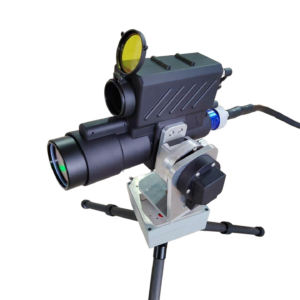
Description
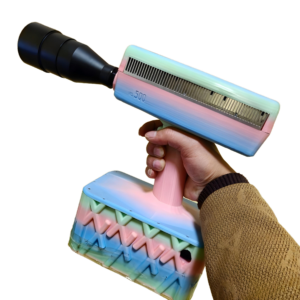
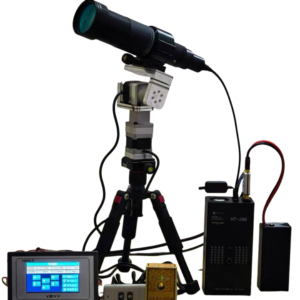
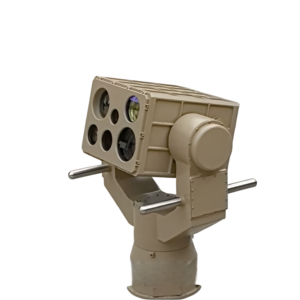
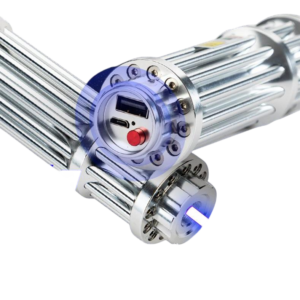
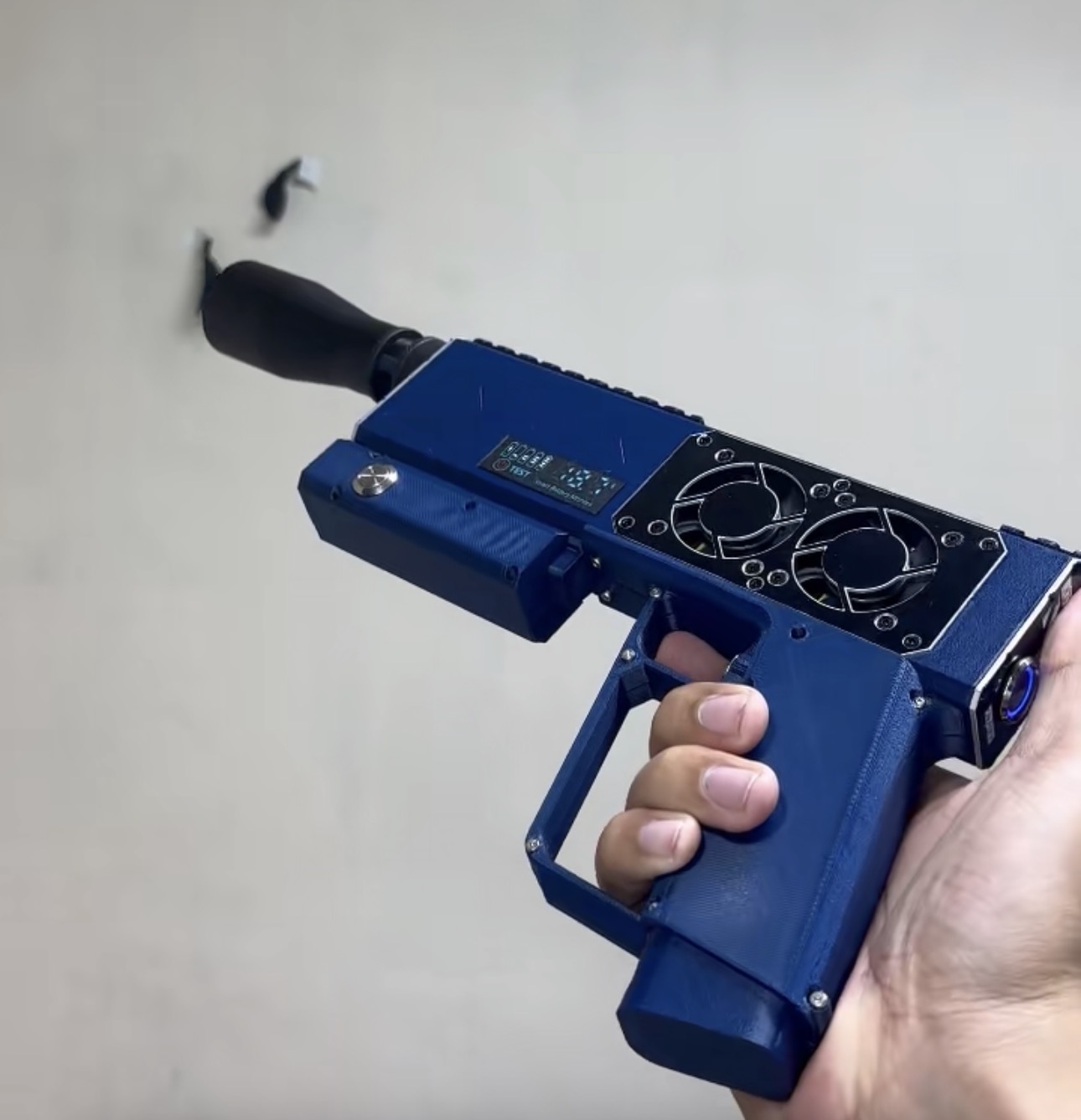
100W laser
100W laser converts electrical energy into coherent optical energy through stimulated emission. Most modern 100W high-power systems use fiber laser or high-power diode laser technology due to their efficiency, beam quality, and thermal stability.
The operating process typically follows these stages:
- Energy Conversion – Electrical input is supplied to the laser pump diodes, which generate the energy used to excite the gain medium.
- Laser Generation – Inside the gain medium (fiber or diode-based), stimulated emission produces a coherent beam at a specific wavelength with high directionality.
- Beam Amplification – The optical signal is amplified to reach 100W of usable optical output while maintaining beam quality and stability.
- Beam Delivery – The beam is transmitted through fiber optics or free-space optics to a beam delivery head, preserving alignment and minimizing energy loss.
- Beam Shaping and Collimation – Precision optics collimate and focus the beam to achieve the desired spot size, divergence, and intensity profile for the application.
- Thermal Regulation – A large amount of waste heat is generated at 100W output. Active cooling systems regulate temperature to maintain power stability, wavelength consistency, and beam quality.
- Controlled Output – The system delivers stable, continuous or pulsed energy, allowing for precise, repeatable control in technical processes.
This process allows a 100W laser to produce a stable, high-intensity beam with the coherence and focus required for precision work.
Laser Power Classification and Safety Level
Power output is the primary factor in laser hazard classification. Under the international standard IEC 60825-1 (Safety of Laser Products), lasers are classified based on their potential to cause injury.
A 100W continuous-wave laser is classified as Class 4. Class 4 lasers are the highest standard classification for practical laser systems and carry the following important considerations:
- Direct Beam Hazard – Exposure to the direct beam can cause permanent eye injury and can also pose a skin hazard depending on exposure time and wavelength.
- Reflection Hazards – Specular (mirror-like) reflections off polished metals, glass, or optics retain nearly the full hazard level of the original beam and can be just as dangerous as direct exposure.
- Diffuse Reflections – Even scattered reflections can be hazardous at 100W power levels, especially at close range or with prolonged exposure.
- Potential for Secondary Hazards – High-power beams can ignite flammable materials, create heated surfaces, or generate airborne particulates depending on the material being interacted with.
Because of this classification, 100W lasers must only be operated in controlled environments with proper engineering controls, administrative controls, and personal protective equipment (PPE).
Key Features of a 100W Laser
A well-engineered 100W laser system focuses on stability, control, and thermal management. Key technical features include:
- 100W Optical Output – Delivers high energy density for controlled thermal processes while maintaining beam focus and precision.
- High Beam Quality – Fiber-based 100W lasers typically offer excellent beam quality (M²), allowing for a smaller focused spot size and more efficient energy delivery.
- Coherent and Monochromatic – Produces a single-wavelength, phase-coherent beam, enabling tight focusing and minimal beam spread over distance.
- Highly Directional Output – The beam maintains a narrow, controlled path with low divergence, preserving intensity over practical working distances.
- Stable Continuous Operation – Designed for steady CW output with minimal power drift, supporting repeatable, process-consistent results.
- Precision Beam Control – Adjustable focus, collimation, and beam delivery allow for controlled spot sizes and intensity profiles based on specific application requirements.
- High Efficiency – Modern fiber and diode-based 100W lasers convert electrical energy to optical energy efficiently, reducing excess heat compared to older laser technologies.
- System Stability and Repeatability – Consistent power output and beam geometry allow for highly repeatable results across long operating periods.
- Robust Thermal Architecture – Engineered for continuous-duty operation with active cooling to maintain stable performance under load.
Beam Characteristics of a 100W Laser
The performance of a 100W laser is defined by how effectively its energy can be focused and controlled:
- Low Beam Divergence – A collimated 100W beam maintains its diameter over distance, preserving intensity and precision far better than incoherent light sources.
- Small Focused Spot Size – With good beam quality, a 100W laser can be focused to a very small spot, creating extremely high irradiance (power per unit area) in a tightly controlled zone.
- High Energy Density – Concentrating 100W into a micron-scale or millimeter-scale spot produces the intensity needed for controlled, localized energy delivery.
- Stable Beam Profile – A uniform, well-shaped beam profile helps ensure even energy distribution, improving consistency and predictability in precision work.
- Wavelength Stability – Proper thermal regulation helps maintain a stable emission wavelength during extended operation, which is important for optics-sensitive or process-controlled applications.
Practical Applications of a 100W Laser
Due to its controlled intensity and precision, a 100W laser is used in professional, industrial, and scientific environments where accuracy and repeatability are required. Safe and appropriate applications include:
- Industrial Material Processing Research – Used in controlled R&D environments for testing beam-material interaction, process parameters, and precision energy delivery studies.
- Precision Cutting and Welding R&D – Common in laboratory and development settings for evaluating thin materials, joint configurations, and process optimization under controlled conditions.
- Laser Marking and Engraving Development – Supports testing of marking parameters, contrast, and precision on various materials in controlled workstations.
- Optics, Photonics, and Laser Testing – Used for beam profiling, alignment, power testing, optical component characterization, and calibration in research labs.
- Metrology and Alignment – High-power visible or near-infrared beams can serve as stable reference beams for large-scale optical alignment in controlled laboratory setups.
- Scientific Research – Applied in physics, materials science, and photonics research where controlled, high-intensity laser energy is needed for experimentation under strict safety protocols.
- Prototype Development and Process Validation – Useful for validating precision processes before scaling to higher-power production systems in controlled environments.
These applications are technical in nature and require fully controlled enclosures, safety interlocks, and trained personnel.
Thermal Management and Cooling
At 100W of optical output, thermal management is one of the most critical design and operational considerations. Roughly 50–70% of electrical input can become waste heat depending on laser efficiency, making active cooling essential.
- Active Cooling Systems – Most 100W lasers require forced-air or water-cooled thermal management to dissipate heat effectively and maintain stable operating temperatures.
- Temperature Stability – Consistent cooling prevents thermal drift, which helps maintain beam pointing stability, power output consistency, and wavelength stability.
- Prevention of Thermal Lensing – Uncontrolled heat can cause optical elements to expand or distort, affecting focus and beam quality. Proper thermal regulation minimizes these effects.
- Continuous-Duty Reliability – Effective heat dissipation allows for stable, uninterrupted operation during extended run times without thermal derating or performance loss.
- Long-Term Component Stability – Maintaining optimal operating temperatures helps preserve diode, fiber, and optical component lifespan while ensuring consistent performance.
Without proper thermal control, a 100W laser cannot maintain the stability, precision, or repeatability required for professional applications.
Safety, Compliance, and Responsible Use
Due to its Class 4 classification, safety must be the highest priority when working with any 100W laser. Proper controls are not optional—they are essential.
Engineering Controls
- Beam Enclosures and Containment – Whenever possible, the beam path should be fully enclosed to prevent accidental exposure to direct or reflected beams.
- Beam Dumps – All unused or terminated beams must be directed into an appropriately rated beam dump designed to safely absorb 100W of optical power.
- Interlocks and Access Control – Laser work areas should use safety interlocks, keyed access, or door interlocks to prevent unauthorized or unprotected entry during operation.
- Non-Reflective Work Surfaces – Use matte, non-reflective materials around the beam path to minimize specular reflection hazards.
Administrative Controls
- Standard Operating Procedures (SOPs) – Detailed, written SOPs must be followed for alignment, operation, testing, and shutdown procedures.
- Laser Safety Training – Only trained and authorized personnel should operate a 100W laser. Training must cover hazards, controls, emergency procedures, and proper use of PPE.
- Laser Safety Officer (LSO) – In professional or research facilities, an LSO should oversee hazard assessments, classification, signage, and compliance with institutional safety policies.
- Hazard Area Designation – The laser-controlled area must be clearly marked with appropriate laser warning signage that reflects Class 4 hazards.
Personal Protective Equipment (PPE)
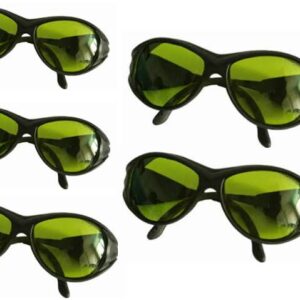
- Wavelength-Specific Laser Safety Eyewear – Eye protection is mandatory. Laser safety goggles must be matched to the exact emission wavelength and provide the correct Optical Density (OD) rating for 100W power and potential exposure conditions. Generic safety glasses are not sufficient.
- Appropriate Protective Measures – Depending on the setup, additional safeguards may be required to prevent skin exposure or secondary hazards in the work area.
Regulatory and Compliance Considerations
- IEC 60825-1 – The international benchmark for laser product safety and user protection.
- ANSI Z136.1 (Safe Use of Lasers) – Widely used in research and industrial settings for establishing safe laser operating practices.
- Regional Regulations – Local, national, and institutional laser safety requirements must be followed at all times. High-power lasers are subject to strict regulatory controls in most jurisdictions.
Safety must always take precedence over convenience when working with 100W laser systems.
Future Outlook for 100W Laser Technology
High-power laser technology continues to advance toward greater efficiency, improved beam quality, better thermal management, and smarter integration. Fiber laser designs, in particular, are becoming more compact and thermally stable while maintaining excellent beam control at the 100W level.
As automation, precision manufacturing, and photonics research continue to evolve, demand for stable, controllable high-power lasers will grow. The focus remains on precision, efficiency, and—above all—safe, responsible implementation in controlled professional environments.
Frequently Asked Questions (FAQs)
What is a 100W laser used for?
A 100W laser is used in controlled industrial, research, and laboratory environments for precision applications such as beam-material testing, optical alignment, photonics research, process development, and beam characterization.
What class is a 100W laser?
A 100W continuous-wave laser is classified as Class 4 under IEC 60825-1 due to its potential to cause eye and skin injuries from direct and reflected beams.
Is a 100W laser dangerous?
Yes. Without proper controls, a 100W laser is hazardous. Direct exposure, specular reflections, and improper handling can cause permanent eye damage or create secondary hazards. It must only be operated with appropriate engineering, administrative, and PPE controls.
Why is cooling important for a 100W laser?
100W of optical output generates significant waste heat. Proper active cooling is essential to maintain power stability, beam quality, wavelength consistency, and long-term reliability during continuous operation.
What type of eye protection is needed for a 100W laser?
Wavelength-specific laser safety eyewear with the correct Optical Density (OD) for 100W output at the operating wavelength is required. The protection must be verified against the laser’s specifications—generic eyewear is not adequate.
Can a 100W laser be used safely?
Yes, when operated in a properly controlled laser safety environment by trained personnel following IEC 60825-1, ANSI Z136.1, and established institutional safety protocols. Safety controls, containment, and verified PPE are mandatory.
Conclusion
A 100W laser is a powerful, precision-focused optical tool designed for controlled technical, research, and industrial applications. With its high energy density, excellent beam quality, and directional stability, it enables accurate, repeatable work where controlled optical power is required.
Daniel –
Very easy to use. it’s just like my gun
moses –
Thanks for delivery
jonathan runfalo –
my son really like to use it and kill rat
kyle –
great innovation. thanks for delivery